Contrary to popular belief, nutritional needs do not decrease with age. They change to adapt to metabolic shifts. To age healthily, it is essential to adopt good eating habits to provide the body with all the nutrients it needs. What should older adults prioritize in their diet? What should they limit? What are the benefits of a balanced diet?
Nutrition for the elderly-what should be prioritized?
The elderly are very concerned about the risks of deficiencies, malnutrition, or dehydration. Nutritional needs do not decrease with age, but must be adapted to avoid some common problems ( osteoporosis, digestive disorders, or cholesterol).
A balanced diet helps older adults stay healthy. There are no “good” or “bad” foods. The key is to eat a variety of high-quality foods (preferably unprocessed) in reasonable quantities. A few basic principles, described by the French Agency for Food Safety (Afssa), help ensure adequate nutrition for older adults (1).
Each day, an elderly person should eat at least:
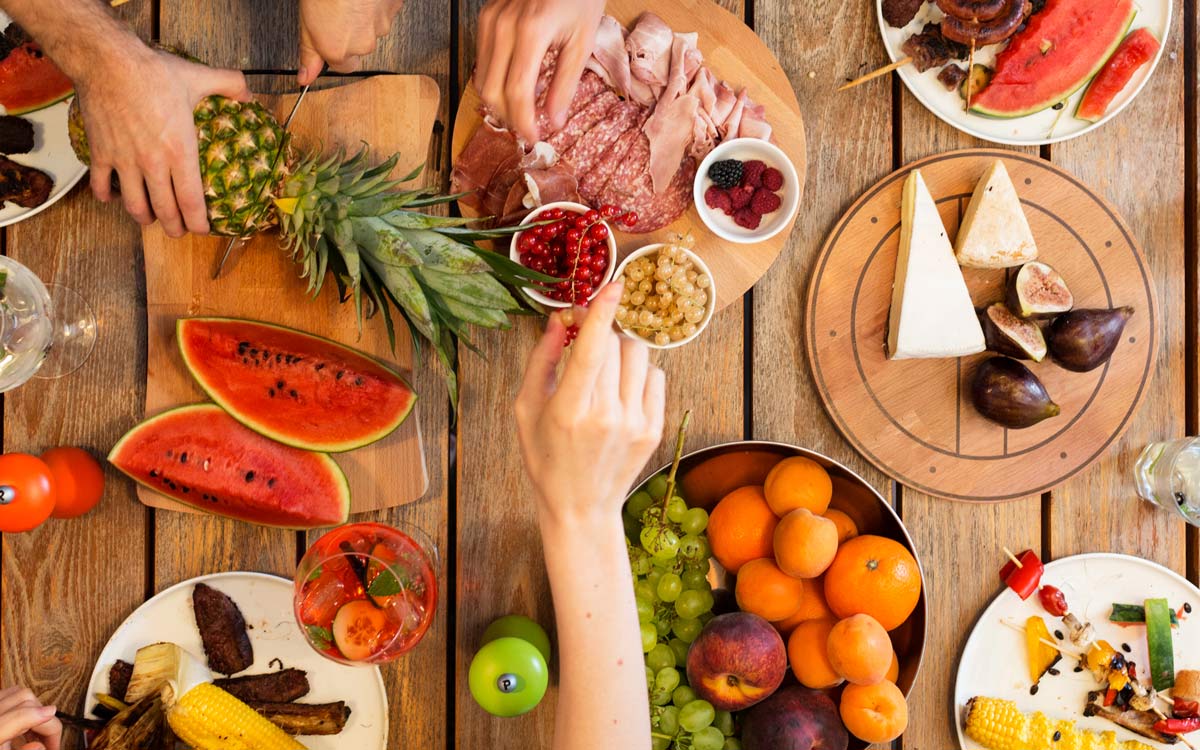
- 5 fruits and vegetables;
- 1 to 2 portions of animal protein (meat, fish, egg), as well as 3 to 4 dairy products.
- Bread and starchy foods can be consumed at each meal, according to appetite.
In the case of a vegetarian diet, it is possible to replace meat with a combination of dried vegetables and cereals.
Beyond food choices, other criteria are also important for a healthy diet. It is recommended to eat at a regular pace, with three meals a day, and not to skip meals. It is also crucial for older adults to stay well-hydrated and not wait until they feel thirsty, as this sensation diminishes with age. It is advisable to drink at least 1.5 liters of water per day. Other beverages (preferably unsweetened) such as:
- teas;
- herbal teas;
- soups;
- broths;
- And even coffee is a good alternative for people who have difficulty drinking water.
Physical activity also plays a vital role in weight regulation and maintaining metabolism. At least 30 minutes of brisk walking each day can help protect older adults from certain diseases, prevent weight gain, and maintain muscle mass.
Diet for the elderly-what should be limited?
Fats are beneficial to the body, but only in small quantities. Added fats should be limited, and dishes made with roasted or grilled meat and steamed vegetables should be favored. It’s advisable to alternate oils to vary your sources of vitamins, and to use those suitable for high-temperature cooking. Butter is best enjoyed raw on toast or in small pats on a plate.
Sugar should be consumed in moderation, but not eliminated. The pleasure of eating should remain important for older adults, especially since they may lose their appetite with age. It’s possible to reduce the consumption of foods containing added sugars in favor of those containing natural sugars, such as fruit. Also, it’s preferable to eat sweet foods with meals, rather than between meals.
Salt promotes water retention and high blood pressure. It’s best to prioritize homemade meals and taste them before seasoning to avoid unnecessary salt. Herbs and spices are a great way to enhance the flavor of dishes. It’s wise to limit your consumption of processed foods, which are often far too high in salt.
The benefits of a balanced diet for the elderly
Eating well is a factor in health and balance. After 50, it is essential to maintain a healthy weight and provide the body with the right nutrients.
Overweight, obesity, and diabetes are caused by a diet too rich in fat and a lack of physical activity. They are the root cause of many chronic diseases, particularly cardiovascular diseases (heart disease, stroke, myocardial infarction, etc). Maintaining a healthy weight helps prevent these conditions.
With age, the risk of osteoporosis increases due to a reduction in bone mass. This disease weakens bones, deteriorates bone tissue, and increases the risk of fractures. A diet rich in calcium, vitamin D, and protein helps remineralize bones and mitigate the effects of the disease.
The World Cancer Research Fund (WCRF) report estimates that one in three cancers could be prevented in France through a healthy diet (2). Sufficient consumption of fruits and vegetables would reduce the risk of cancer:
- of the oral cavity;
- of the esophagus;
- of the stomach;
- of the colon;
- and the rectum.
3 balanced meal ideas for an elderly person
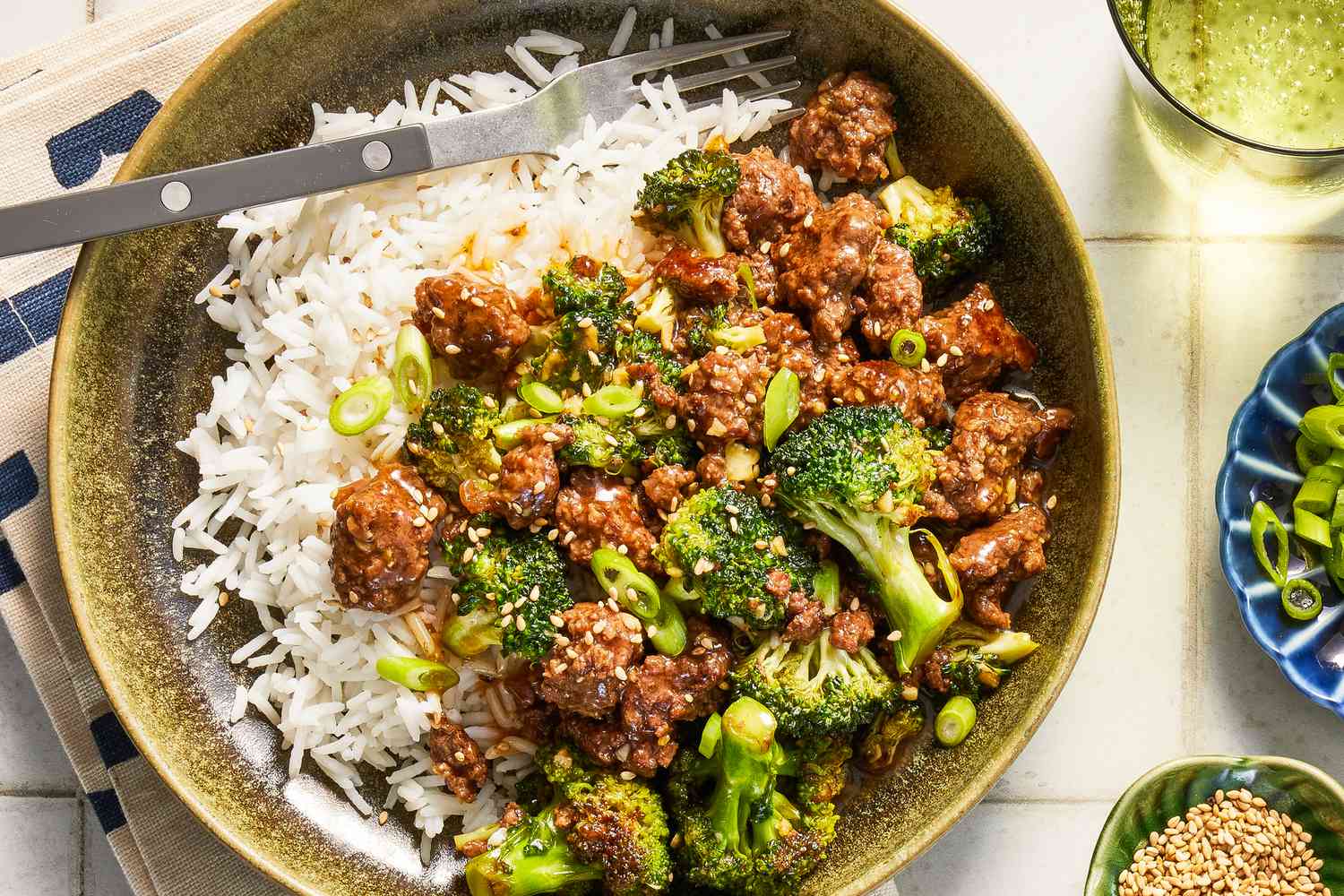
Good nutrition is the foundation of good health, so it’s essential to avoid the boredom associated with bland or insufficiently varied food . A variety of meals can be prepared in advance to simplify daily life. Here are a few menu ideas.
When cooking, stick to tried-and-true favorites: for starters, offer a variety of soups and salads to keep them appealing, and choose dishes that are easy to digest (stuffed zucchini, roast chicken); a cheese platter and a pleasant dessert (floating island, homemade compote) will provide a delightful end to the meal. For seniors who tend to eat less, don’t hesitate to increase portion sizes and enrich dishes (with Gruyère cheese, cream, etc.), or even offer snacks during the day. Focus on the pleasure of eating as much as meeting nutritional needs!
Amelis’ home care teams are trained in nutrition. They can prepare balanced meals or reheat food directly in your home, respecting your needs and preferences. The support of a specialist also helps you avoid any risk of food poisoning
A word from Nathalie Marc, caregiver and quality manager
As we age, it’s important to maintain a healthy and balanced diet to stay well. At Amelis, we’ve gathered some tips to help you maintain a healthy diet as you get older:
- Eat balanced meals that include protein, vegetables, fruit, and complex carbohydrates. Try to include fiber-rich foods to promote good digestion.
- Avoid processed foods and those high in fat, salt, and sugar. These can contribute to health problems such as high blood pressure, diabetes, and obesity.
- Drink plenty of water to stay hydrated and aid digestion. You can also drink herbal teas or green tea.
- Pay attention to portion sizes . Eating smaller portions can help maintain a healthy weight and prevent overeating.
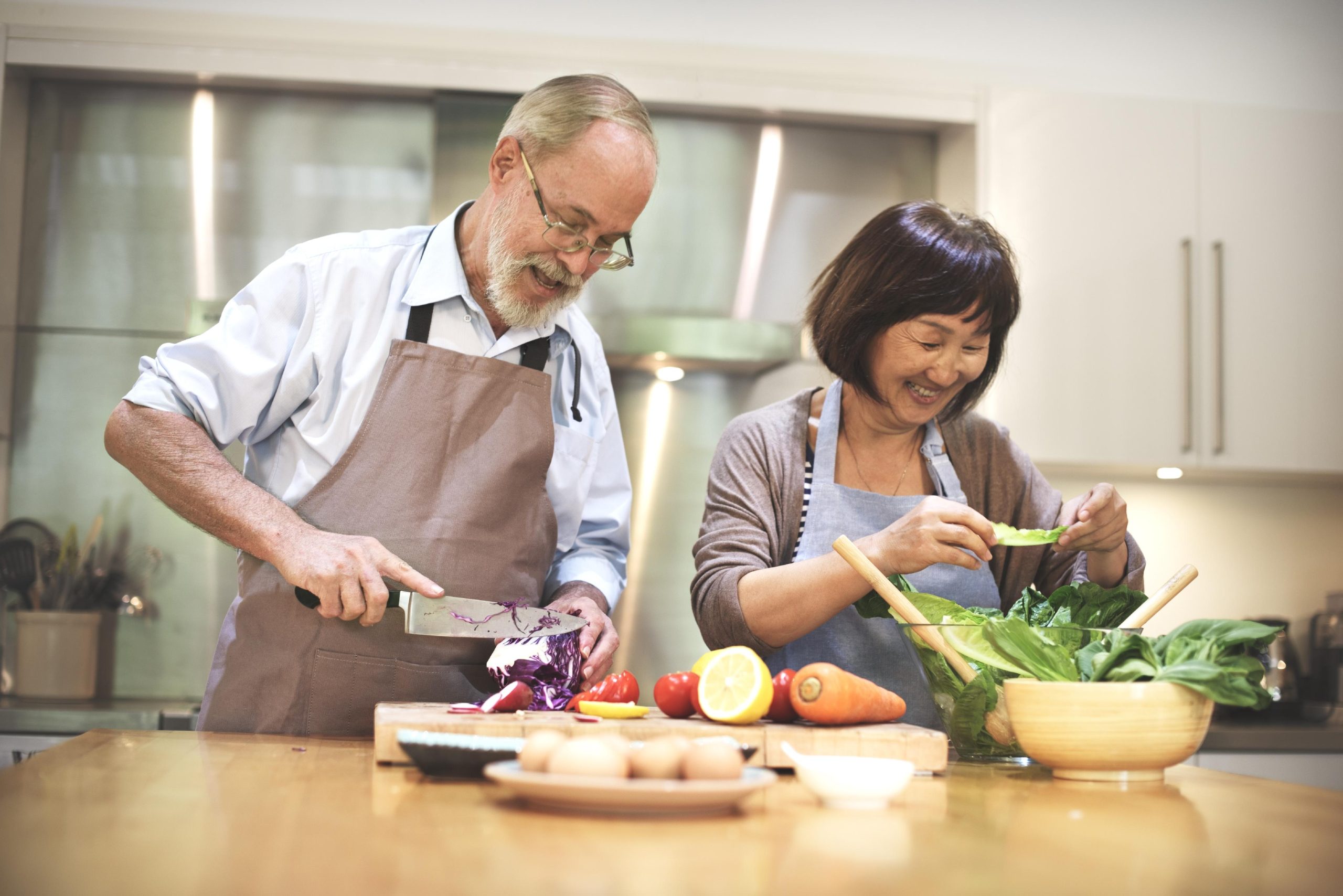
- Cook at home as much as possible using fresh, healthy ingredients. You can also opt for organic food if possible.