A closer look at the favorite desserts of diners in France
The top 10 desserts list features classic pastries and family recipes. Here, we reveal the origins of these essential desserts, perfect for your menus to delight everyone with a sweet tooth.
Chocolate mousse
The basic ingredients of chocolate mousse are simple, easy to find, and inexpensive. This dessert, as common in brasseries as it is on Sunday tables, originated in the 18th century. It sprang from the imagination of a Swiss chef for King Louis XVI, Charles Fazi, but has been reworked many times over the years.
Some add cream, egg yolks, citrus peel, lace crepes… There are almost as many recipes as there are pastry chefs, but the pleasure remains intact with every bite.
Tiramisu
Created in Tuscany in the 16th century, designed to avoid wasting leftover biscuits and cold coffee… Its name is said to be a play on words meaning,g cheer me up .” The essentials of this Italian classic? Eggs, mascarpone, coffee-soaked biscuits, and cocoa, all layered together.
This dessert has come a long way and has been adapted into a multitude of flavors, with or without fresh fruit, with different biscuits such as speculoos or Oreos served as a family dish or in verrines.
Lemon pie
Served at the royal table for centuries, it remains a favorite among the French, whether in restaurants or bakeries. Made with shortcrust pastry and lemon curd (egg yolks, sugar, lemon juice), it is often topped with Italian meringue. It’s the perfect way to end a meal on a sweet and tangy note.
There are many ways to put a twist on this classic lemon tart (with or without meringue). In a traditional restaurant setting, you could consider, for example, a deconstructed version of this dessert. And for snacks, why not offer a verrine version El Feele to be creative, both in the presentation and in the flavors, through unusual combinations.
The mille-feuille
With its beautiful layers of puff pastry and pastry cream, it presents a technical challenge for pastry chefs. The first appearance of this dessert dates back to the 17th century. Chef François Pierre de Varenne created a version with a kirsch and rum cream. Later adopted by the greatest pastry chefs, it has earned a place of honor among the finest.
Since then, the recipe has changed little, although the cream is sometimes flavored, and fruit may be added. Here, our ambassador, Président Professionnel Christophe Adam, has completely reinvented this dessert and surprised us with this unusual mille-feuille format.
The chocolate éclair
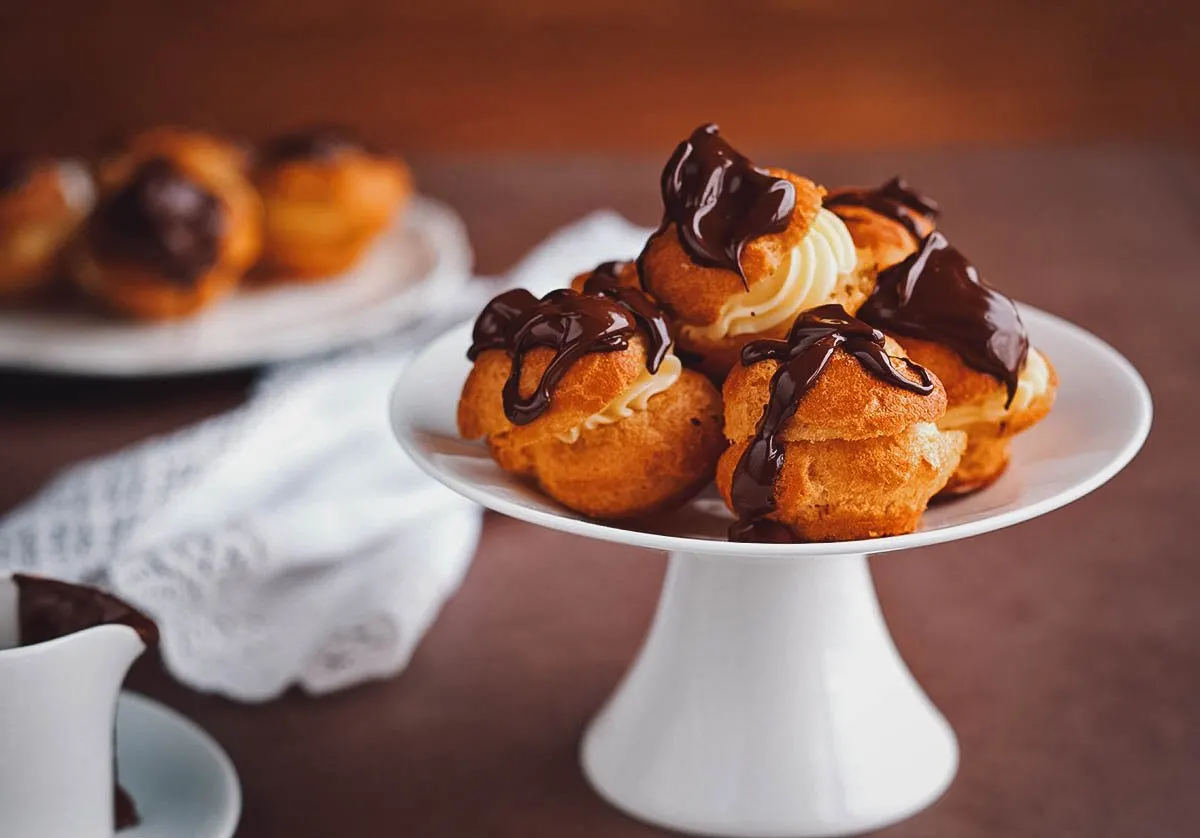
A staple in baker’s, one of the French’s favorite treats, consisting of choux pastry filled with pastry cream and topped with icing. Originally, it came from a pastry called ” pain à la duchesse,” which had the same shape but a different filling. Its name is said to come from the speed at which this sweet treat became popular (or perhaps the speed at which it’s eaten!).
But the chocolate éclair is not the only one that knows how to seduce, and Christophe Ada, Président Professionnel ambassador, has understood this well by revisiting this classic dessert with proposals more original than the others in his shop L’éclair de génie in Paris.
Tarte Tatin
Sometimes topped with ice cream or thick whipped cream, the recipe doesn’t change much but requires very good fruit to be perfect.
The Floating Island
Originally, the term “floating island” referred to a dessert in which a liquid layer was topped with a more solid element. This was notably the case with the floating island created by the famous chef Auguste Escoffier sponge cake topped with apricot jam and cream, all on a bed of crème anglaise. Today, consisting of a sweetened, poached meringue resting on crème anglaise and accompanied by caramel, this dessert is as popular in restaurants as it is at home. Feel free to be creative, or not!
It might seem complicated to put a twist on this simple dessert. However, simply infusing the custard with spices, such as cinnamon, is enough to give your floating island an innovative and unique twist. To take it a step further and add a touch of crunch, can also add a tuile to your dessert.
The Paris-Brest
The origin of the Paris-Brest is debated, but everyone agrees that it pays homage to the cycling race of the same name, from which it derives its characteristic bicycle wheel shape. This pastry, made of choux pastry filled with praline mousseline cream and sprinkled with slivered almonds, is gradually climbing back up into the top 10 favorite desserts of the French.
To stand out from the competition, you can also offer your customers reimagined versions of the Paris-Brest by reinventing its traditional flavors. For example, our culinary teams created the Paris-Toscane, a pistachio-flavored Paris-Brest made with roasted pistachios and a pistachio cream composed of Galbani Professionale mascarpone and Président Professionel 35% cream.